Trusted Remodeling Services
Top-Rated Home Renovation Contractor: Transform Your Home With Professional Design and Quality Craftsmanship
Home renovation can enhance significantly both aesthetics and functionality. A highly-regarded remodeling contractor plays an vital role in this makeover. Their expertise integrates innovative design with quality craftsmanship, ensuring that each undertaking meets the property owner's goals. However, not all contractors are created equal. Grasping the key qualities and steps required is essential for a favorable result. What should homeowners consider when starting on this endeavor?
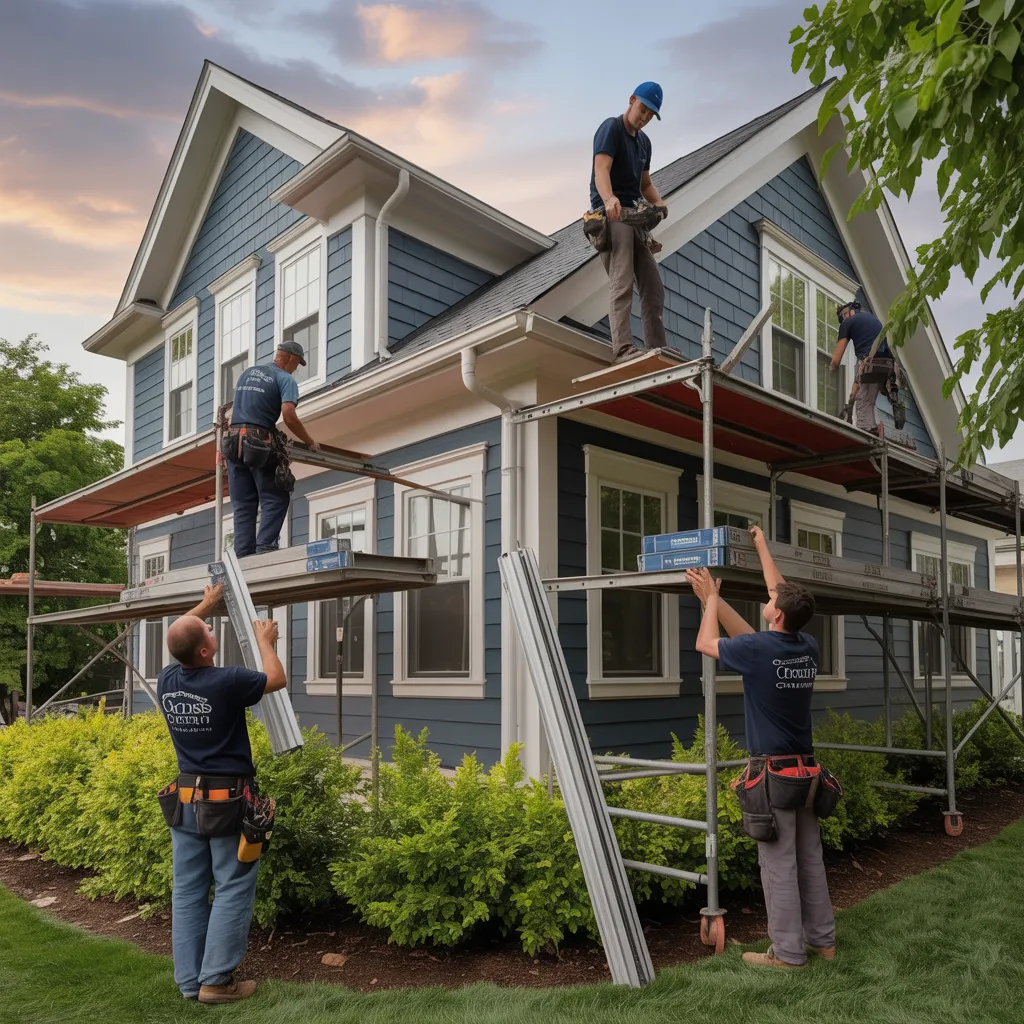
The Benefits of Choosing a Top-Rated Remodeling Contractor
When starting a renovation job, the choice to hire a top-rated service provider can greatly influence the outcome. A skilled contractor possesses the proficiency and experience essential to navigate the challenges of home renovations. They can deliver valuable insights into design choices, supplies, and timelines, making certain that the project corresponds with the homeowner's vision and budget.
Top-performing contractors often feature positive reviews and a substantial portfolio, exhibiting their past accomplishments and patron contentment. This credibility can generate confidence among property occupants, minimizing anxiety concerning major renovations. Also, a established professional is prone to have established relationships with distributors and trade specialists, which can yield reduced costs and quality of materials.
Ultimately, hiring a top-rated renovation expert not only strengthens the potential for a productive project but also establishes a collaborative environment where innovation and originality prosper, resulting in a renovated home that reflects the homeowner's visions.
Important Elements to Seek in a Home Remodeling Contractor
Selecting the ideal remodeling contractor transcends just checking testimonials and past work; it necessitates identifying specific qualities that guarantee a successful partnership. First, a reputable contractor must have excellent interpersonal abilities, ensuring that they can express concepts effectively and listen to client requirements. Next, experience in the specific type of remodeling project required is essential, as it demonstrates a established history of quality work. Additionally, a good contractor must be properly certified and covered, offering assurance regarding risk protection and security. Dependability is another critical quality; a contractor should adhere to schedules and costs, reducing unexpected delays. Ultimately, a strong collection showcasing diverse completed projects reflects an capacity to adapt to different aesthetics and client desires. By focusing on these attributes, homeowners can make informed decisions when selecting a remodeling contractor, ultimately resulting in a positive residential renovation.
Trending Renovation Endeavors to Review
Homeowners typically confront countless options when exploring renovation initiatives, each presenting one-of-a-kind perks and improvements. Among the most favored projects are kitchen renovations, which can markedly enhance functionality and aesthetic appeal. Improving kitchen countertops, cabinet systems, and kitchen fixtures not only updates the space but also enhances the value of the home.
Bathroom remodels are another preferred option, creating a haven for relaxation and personal care. Homeowners regularly select updated fixtures, elegant tilework, and improved designs to increase comfort.
Moreover, basement remodeling has become increasingly common as a method to expand living space, developing flexible spaces for leisure activities or work from home setups.
Exterior renovations, such as deck installations or landscaping, also remain in demand, allowing dwellers to boost their outdoor enjoyment. Each of these projects not only transforms the living surroundings but can also produce a substantial return on investment.
The Design Journey: Cooperating With Your Project Manager
The design process in remodeling requires a vital team effort between the occupant and the contractor. During the initial consultation meeting, dreams and designs are shared, establishing the foundation for the project. Then afterward, design iterations manifest, allowing adjustments and ultimately leading to approval before construction begins.
Initial Consultation Session
How does an initial consultation meeting create the framework for a effective renovation? This critical opening move allows homeowners and contractors to establish a mutual understanding of the objectives and vision for the project. During this meeting, clients present their ideas, needs, and budget, while contractors examine the space and share perspective on feasibility. Clear communication is critical, as it fosters teamwork and trust between both parties. Contractors may also share samples of prior projects, offering concepts and showcasing their proficiency. By tackling any concerns and discussing timelines, the opening meeting sets up the framework for a productive relationship. Ultimately, this meeting is essential for aligning objectives and confirming that the renovation work commences on a solid foundation.
Design Refinement and Acceptance
Throughout the design process, collaboration between homeowners and contractors is important for perfecting the project vision. This phase stresses open communication, allowing both parties to talk about ideas, preferences, and concerns. Contractors deliver initial design concepts based on the homeowner's input, which promotes iterative revisions. Each design iteration acts as a stage toward the final layout, taking feedback and discover now making necessary adjustments. Homeowners should feel confident to express their thoughts, ensuring the design reflects their aspirations. Approval of the final design represents a major milestone, establishing the project blueprint. This collaborative approach nurtures a sense of ownership and satisfaction, paving the way for successful implementation and ultimately creating the home into a personalized living space.
Learning About the Expenses of Home Renovation
Knowing the financial obligations connected with home renovation is crucial for any property owner planning a project. Budgeting properly requires not only accounting for the primary expenses but also identifying hidden costs that may emerge during the remodeling process. Awareness of these monetary factors can help ensure a smoother and more productive renovation experience.
Developing Your project budget
Budgeting for a home remodeling project necessitates careful consideration of multiple costs at stake. Homeowners should start by identifying the parameters of the project, which will substantially shape the overall budget. Key expenses commonly include materials, labor, permits, and design fees. It is essential to research and obtain quotes from multiple contractors to formulate a realistic estimate. Additionally, homeowners should evaluate whether they will perform any of the work themselves, which can reduce labor costs. Forming a contingency fund is also prudent, as it allows for unforeseen expenses that may arise during the renovation process. By carefully examining these factors, homeowners can construct a holistic budget that harmonizes with their budget constraints and project goals.
Overlooked Expenses To Consider
While property owners often focus on the major expenses of a remodeling project, they may miss several hidden costs that can substantially affect the overall budget. These costs can include permits and inspections, which differ based on location and project type. Unforeseen structural issues, such as deterioration or obsolete electrical systems, may also occur throughout renovations, necessitating extra money. Property owners should also account for the costs of temporary housing if the undertaking demands extensive work. In addition, alterations to plans throughout the project can result in increased expenses, as can the selection of high-end materials. Finally, post-remodeling costs, such as new furnishings or yard work, can additionally strain the finances. Awareness of these concealed costs is crucial for effective financial planning.
Tips for a Successful Home Remodeling Experience
A fruitful home renovation process depends on thorough planning and clear communication. Homeowners are advised to start by establishing a practical budget and timeline, factoring in potential delays and unexpected costs. Selecting a reputable remodeling contractor is crucial; they bring skill and can offer insights that cut time and money.
Homeowners should also create a detailed design plan, including materials and finishes, to ensure a cohesive vision. Frequent meetings with the contractor support alignment on progress and resolve any concerns promptly. Communication should remain transparent and forward-thinking, promoting a team-oriented environment.
Furthermore, it's wise to prepare for interruptions by creating a temporary living space, particularly for bigger projects. In the end, persistence is crucial; renovations can be stressful, but a constructive mindset will contribute to a smoother process and contentment with the final outcome. By following these tips, homeowners can improve their renovation experience and accomplish their desired results.
Frequently Asked FAQs
What Timeframe is Needed for a Common Remodeling Project to be Finished?
A standard remodeling project can take anywhere from a few weeks to several months to complete. Elements affecting the timeframe comprise project size, complexity, and the productivity of the contractor and trades involved.
What Formats of Warranties Do Remodeling Contractors Supply?
Remodeling professionals typically offer warranties on labor, supplies, and appliances. These warranties can extend from one year to a lifetime, based on the contractor and specific project details, giving peace of mind to homeowners regarding quality and durability.
What's the Most Effective Way to Confirm a Contractor's License and Insurance?
To check a contractor's license and insurance, one can review state licensing boards and online databases. Additionally, asking for copies of insurance certificates directly from the contractor confirms coverage is valid and satisfies required standards.
What could I Do if I'm Dissatisfied With the Work?
If discontent emerges, the homeowner should first express issues directly with the contractor. Document issues, review the contract, and seek resolution amicably. If unresolved, consider mediation or reaching out to local authorities for further assistance.
What Payment Solutions Are Possible for Home Remodeling Projects?
Many remodeling contractors deliver various financing options, like individual loans, home equity credit options, and payment plans. Homeowners should explore these options to select a solution that aligns with their budget and project needs effectively.